5 COMMON ERRORS WHEN LOADING AND UNLOADING GOODS… AND HOW TO AVOID THEM?
1. LACK OF CONTROL IN DOCUMENTATION
A common mistake is not thoroughly reviewing cargo documents, delivery notes, shipping lists, and certificates before the operation. This causes discrepancies between what is written on paper and what is actually transported.
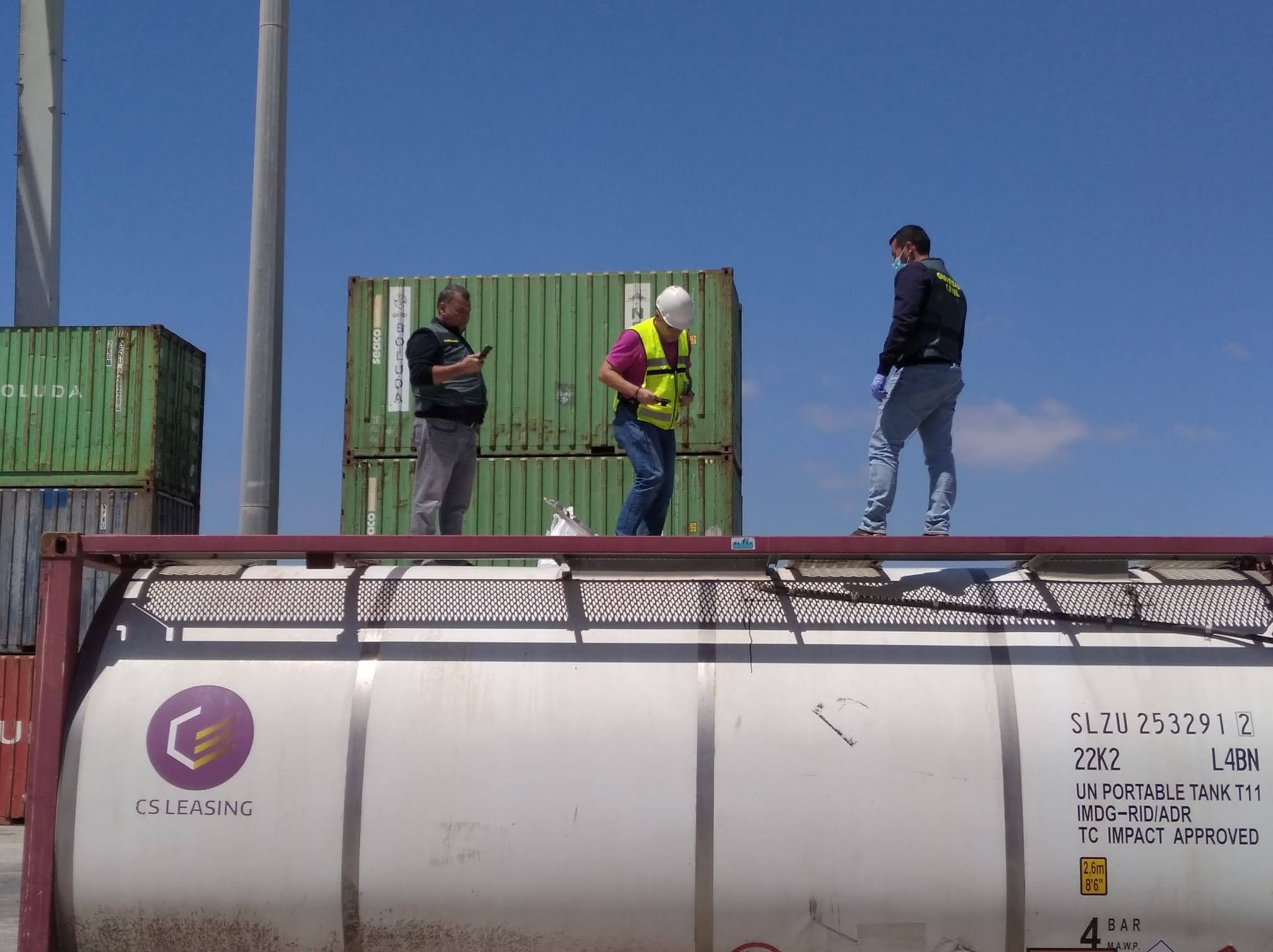
 How to avoid it: establish a document verification protocol and rely on inspectors who certify the quantity and quality of the cargo before starting the operation.
2. POOR COMMUNICATION BETWEEN AGENTS
Loading and unloading involves multiple stakeholders: shipowners, port agents, stevedores, crew, and even authorities. When communication fails to flow properly, misunderstandings arise that can lead to delays or handling errors.
How to avoid it: designate a coordination manager and maintain clear communication channels at each stage of the operation.
3. LACK OF QUALITY AND QUANTITY INSPECTIONS
One of the most common problems is failing to perform independent controls to certify that the merchandise is delivered and received under the agreed conditions. This can affect both the customer and the supplier and lead to legal disputes.
How to avoid it: hire quality and quantity control services to ensure transparency, trust, and security in the transaction.
4. IMPROPER HANDLING OF GOODS
Whether due to haste or lack of training, improper handling leads to damage to cargo, especially sensitive or high-value goods.
How to avoid it: Train staff in safe handling techniques, use appropriate equipment, and ensure constant supervision during the operation.
5. NOT FORESEEING UNFORESEEN EVENTS
Bad weather, port machinery failures, or bureaucratic delays are common occurrences. Not having an alternative plan increases the negative impact of these incidents.
How to avoid it: Implement contingency protocols and rely on maritime inspectors to ensure the traceability and safety of each step, even in adverse scenarios.

CONCLUSION
Loading and unloading cargo in the maritime sector requires precision, coordination, and professional oversightAvoiding these errors not only improves operational efficiency but also protects the investment and reputation of the companies involved.
 Our company specializes in quality and quantity inspections, offering independent and professional support for every operation.
 Do you want to know how we can help you make your operations more secure and transparent?
Contact us today and let's talk about how to optimize your next upload or download.