Entries by Jaquelín Barrios Pérez

Champions of Maritime Transport: the initiative to boost decarbonization

Campeones del Transporte Marítimo: la iniciativa para impulsar la descarbonización El transporte marítimo representa aproximadamente un 80% del movimiento mundial de mercancías. Esto, como consecuencia, implica una fuente importante de emisiones de gases de efecto invernadero (GEI) y otros contaminantes que necesitan frenarse. De acuerdo con la Asociación Interamericana para la Defensa del Ambiente (AIDA), […]

QUALITY CONTROL IN THE MARITIME SECTOR: BEYOND THE PAPERWORK
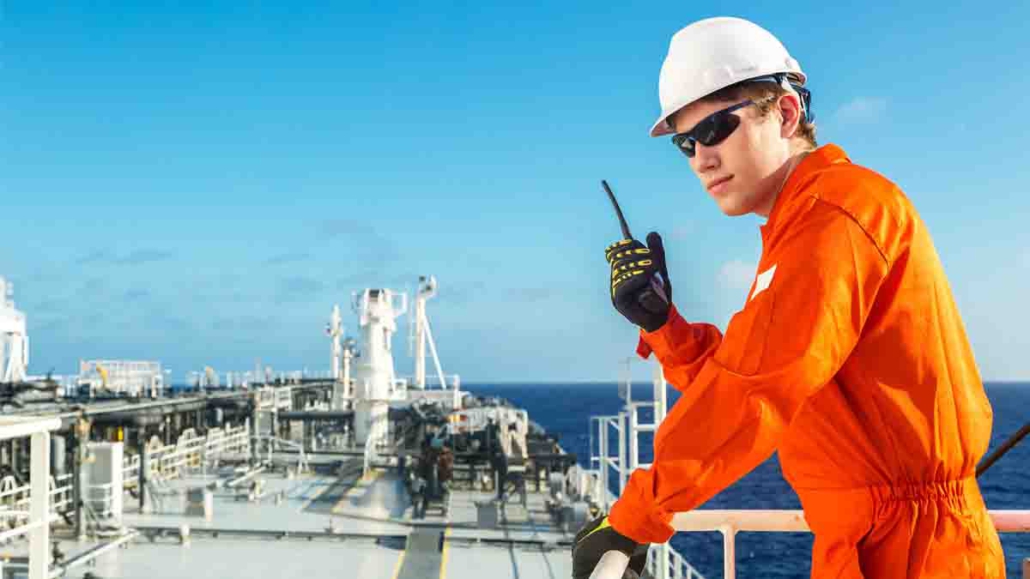
In the maritime sector, quality control is often associated with reports, certificates, and regulatory documents. However, the reality is that quality goes far beyond paperwork: it involves processes, technical verifications, and independent oversight that ensure safe, efficient, and transparent operations.

In IMS TECAN ATLÁNTICA We understand that every vessel and every maritime operation requires more than just administrative procedures. The true value is in verify on the ground, with specialized professionals who ensure that every detail meets the required standards.


WHAT DOES QUALITY CONTROL REALLY MEAN IN THE MARITIME SECTOR?

Quality control in this area involves supervise and certify that the processes related to vessels and merchandise comply with:

  • International and local regulations.

  • Maritime safety parameters.

  • Efficiency and transparency criteria in operations.

  • Expectations of customers, shipowners, and operators.

This includes everything from technical inspections of yachts and recreational vessels to quantity and quality control in bunkering operations or cargo loading.


MORE THAN DOCUMENTS: THE IMPORTANCE OF ON-SITE VERIFICATION

Paperwork is essential, but it alone doesn't guarantee quality.
A vessel may have valid certificates yet still have technical deficiencies or irregularities in its operations.

That's why on-site inspections performed by experts make the difference:

  • Faults are detected in a timely manner.

  • Conflicts in the purchase and sale of goods or the transport of goods are prevented.

  • Transparency is provided in every transaction.

  • The investment of shipowners and owners is protected.


BENEFITS OF INDEPENDENT QUALITY CONTROL

Having a specialized company like IMS TECAN ATLÁNTICA offers key advantages:

  • Trust: Customers and suppliers receive objective guarantees.

  • Safety: Risks of accidents or non-compliance are minimized.

  • Efficiency: Processes are optimized, avoiding hidden costs.

  • Reputation: Seriousness and professionalism are conveyed in every transaction.


APPLICATION EXAMPLES

Quality control is applied in multiple scenarios within the maritime sector:

  • Bunkering: ensuring that the quantity and quality of fuel delivered matches the agreement.

  • Loading and unloading of cargo: verifying weight, volume, and condition of the cargo.

  • Yachts and recreational boats: technical inspections that confirm the vessel's actual condition.

  • Purchase and sale transactions: independent reports that provide transparency and trust.

Inspeccion-Naval

MORE THAN A SET OF PAPERS

Quality control in the maritime sector is much more than a set of paperwork and certificates. It's a comprehensive process that protects investments, guarantees safety, and strengthens trust among all parties.

In IMS TECAN ATLÁNTICA we work every day to offer technical inspections, quality controls and quantity checks, adapted to the needs of shipowners, agents, owners and companies in the sector.

If you want to go beyond the paperwork and have a trusted partner in your maritime operations, we're here to help.

📩 Would you like to learn more about our services?
Contact us and discover how we can bring security, transparency, and value to your offshore operations.

THE IMPORTANCE OF TECHNICAL INSPECTION ON YACHTS AND RECREATIONAL BOATS
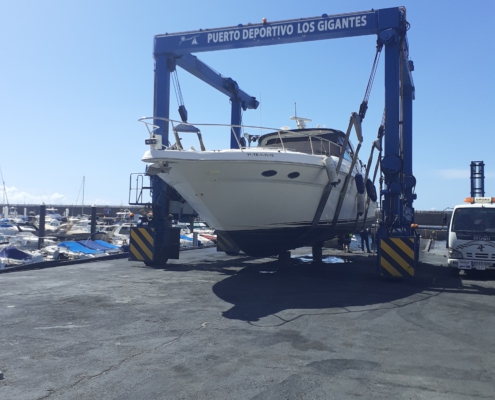
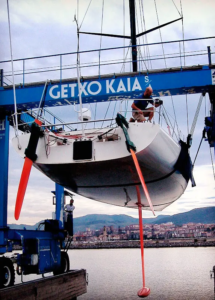
The recreational maritime sector has grown steadily in recent years. More and more owners and companies are investing in yachts and recreational boats, whether for private use or charter activities. However, one fundamental aspect is often overlooked: specialized technical inspection.

In IMS TECAN ATLÁNTICA We know that keeping a boat in optimal condition is not just a question of aesthetics or comfort, but of security, efficiency and investment protection.

WHY ARE TECHNICAL INSPECTIONS NECESSARY?

A yacht or recreational vessel is exposed to demanding conditions: humidity, salt water, hours of sailing, and constant use of equipment. Without proper inspection, technical problems can easily arise that affect performance or even jeopardize safety onboard.

The technical inspection allows:

  • Detect faults early before they become costly breakdowns.

  • Ensure the safety of crew and passengers.

  • Protect the value of the investment, especially in the event of a sale or purchase.

  • Comply with current maritime regulations and standards .

KEY ASPECTS WE REVIEW IN AN INSPECTION

At IMS TECAN ATLÁNTICA, we perform comprehensive inspections tailored to each type of vessel. Some of the critical points we assess include:

  • Hull and structure: detection of cracks, corrosion, or damage not visible to the naked eye.

  • Propulsion and fuel systems: engine checks, fuel consumption, and potential leaks.

  • Navigation and communication equipment: calibration and proper operation.

  • Electrical and hydraulic installations: safety and energy efficiency.

  • Safety elements on board: life rafts, life jackets, fire extinguishers, and other regulatory equipment.

These assessments not only verify the current status, but also allow for planning preventive maintenance.


INSPECTIONS IN PURCHASE AND SALE TRANSACTIONS

One of the most important moments to carry out a technical inspection is during the buying or selling a yacht.
An independent and professional report provides confidence for both parties, avoiding surprises later and ensuring that the transaction is carried out transparently.


THE PEACE OF MIND OF SAILING WITHOUT WORRIES

By investing in an inspection service, homeowners get tranquillity; They know that their boat is in optimal condition and that every technical detail has been verified by professionals.

At IMS TECAN ATLÁNTICA we focus on offering objective, precise and tailored inspections to the needs of each client. Our experience in the maritime sector allows us to guarantee a quality service that provides real value.

inspección de embarcaciones de recreo


FINALLY…

The technical inspection of yachts and recreational boats is not just another procedure, but an investment in security, confidence and durability.
Having independent experts makes the difference between navigating with uncertainty or enjoying the sea with complete peace of mind.

⚓️ In IMS TECAN ATLÁNTICA we're here to help you take care of your boat.

📩 Would you like to learn more about our services or request a technical inspection?
Contact us and discover how we can bring security and confidence to your next trip.

5 COMMON ERRORS WHEN LOADING AND UNLOADING GOODS… AND HOW TO AVOID THEM?

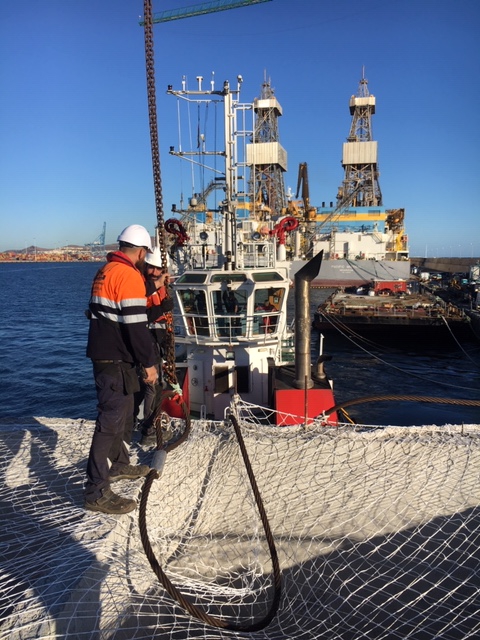
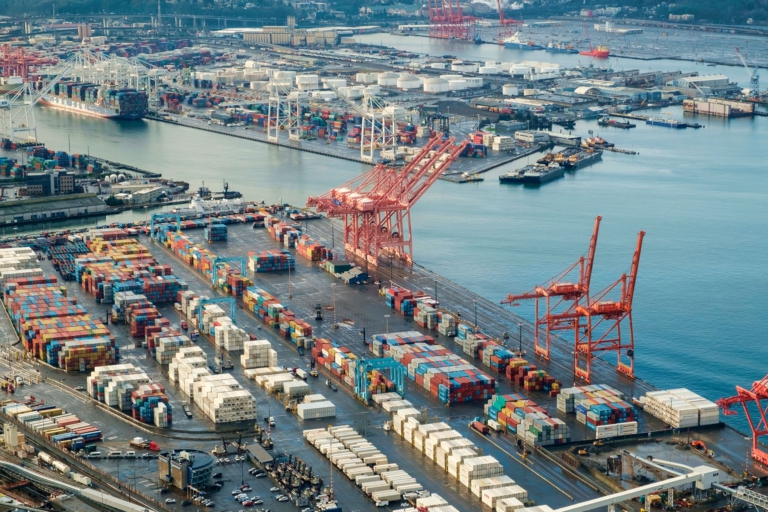
In the maritime sector, operations of loading and unloading of goods these are critical moments. A minor failure can cause delays, financial losses, or even risks to the safety of the crew and the ship itself.
Therefore, having clear protocols, adequate supervision and specialized inspectors makes the difference between a successful operation and a costly problem.

In this article we review the 5 most common mistakes in these operations… and most importantly: how to avoid them.


1. LACK OF CONTROL IN DOCUMENTATION

A common mistake is not thoroughly reviewing cargo documents, delivery notes, shipping lists, and certificates before the operation. This causes discrepancies between what is written on paper and what is actually transported.

✅ How to avoid it: establish a document verification protocol and rely on inspectors who certify the quantity and quality of the cargo before starting the operation.


2. POOR COMMUNICATION BETWEEN AGENTS

Loading and unloading involves multiple stakeholders: shipowners, port agents, stevedores, crew, and even authorities. When communication fails to flow properly, misunderstandings arise that can lead to delays or handling errors.

✅ How to avoid it: designate a coordination manager and maintain clear communication channels at each stage of the operation.


3. LACK OF QUALITY AND QUANTITY INSPECTIONS

One of the most common problems is failing to perform independent controls to certify that the merchandise is delivered and received under the agreed conditions. This can affect both the customer and the supplier and lead to legal disputes.

✅ How to avoid it: hire quality and quantity control services to ensure transparency, trust, and security in the transaction.


4. IMPROPER HANDLING OF GOODS

Whether due to haste or lack of training, improper handling leads to damage to cargo, especially sensitive or high-value goods.

✅ How to avoid it: Train staff in safe handling techniques, use appropriate equipment, and ensure constant supervision during the operation.


5. NOT FORESEEING UNFORESEEN EVENTS

Bad weather, port machinery failures, or bureaucratic delays are common occurrences. Not having an alternative plan increases the negative impact of these incidents.

✅ How to avoid it: Implement contingency protocols and rely on maritime inspectors to ensure the traceability and safety of each step, even in adverse scenarios.

errores-seguridad-mercancia

CONCLUSION

Loading and unloading cargo in the maritime sector requires precision, coordination, and professional oversightAvoiding these errors not only improves operational efficiency but also protects the investment and reputation of the companies involved.

👉 Our company specializes in quality and quantity inspections, offering independent and professional support for every operation.

📩 Do you want to know how we can help you make your operations more secure and transparent?
Contact us today and let's talk about how to optimize your next upload or download.
What Our Clients Say

Our clients value the attention and effectiveness of our services.

Rated 5 out of 5


Juan R.

"Thanks to IMS TECAN ATLNTICA, our cargo operations have improved dramatically. Their attention to detail has reduced our errors to zero."

Rated 5 out of 5


Luisa Pérez

"The quality of the inspection service is exceptional. IMS TECAN ATLNTICA has become our strategic partner for each shipment."

Pre-sailing inspection checklist: safety and quality guaranteed

In the maritime sector, every journey begins long before a ship leaves port. The success of safe and efficient navigation depends largely on the prior preparation. And it is here where a inspection checklist becomes a fundamental tool: it guarantees that both the security like the quality of the operation are covered before sailing.

In IMS TECAN ATLÁNTICA, we know that every detail matters. That's why we assist owners, shipowners, and operators in verifying the critical points that ensure a smooth voyage.

WHY IS A PRE-INSPECTION IMPORTANT?

A simple oversight can result in costly breakdowns, delays, or risks to crew and cargo. A well-designed checklist allows for:

  • Prevent technical failures.
  • Comply with maritime regulations.
  • Optimize operational efficiency.
  • Ensure smooth sailing.

BASIC PRE-SAIL INSPECTION CHECKLIST

Although each boat has its own unique characteristics, these are the key points that should never be missing:

1. Hull and structure

  • Check for cracks, corrosion or visible damage.
  • Checking doors, hatches and closing systems.

2. Propulsion and Fuel Systems

  • Fuel level and quality.
  • Engines in proper working order and free of leaks.
  • Oils and fluids at adequate levels.

3. Navigation and Communication Equipment

  • GPS, radar, and compass calibration.
  • Radios and communication equipment tested and operational.

4. Electrical and Hydraulic Systems

  • Batteries charged and in good condition.
  • Bilge pumps ready for operation.
  • Electrical installations checked to avoid short circuits.

5. Safety on Board

  • Life jackets for all crew and passengers.
  • Fire extinguishers, flares, and emergency equipment available and up to date.
  • Life raft inspected and ready for use.

6. Documentation and Certificates

  • Vessel papers up to date.
  • Current technical and safety certificates.
  • Clear navigation plan communicated to the crew.

THE VALUE OF A PROFESSIONAL INSPECTION

Carrying out an internal checklist is essential, but having the support of a independent inspection raises the level of security and confidence.

In IMS TECAN ATLÁNTICA, we offer a professional service that ensures your boat is ready to sail with complete peace of mind. Our technicians rigorously review each point, providing clear and objective reports.

control-de-la-calidad-del-aire-en-puertos

PREVENTION

The difference between a safe journey and an unexpected problem is in the prevention. A pre-departure inspection checklist not only protects the crew and cargo, but also safeguards your investment and ensures the quality of the operation.

⚓ In IMS TECAN ATLÁNTICA we help you ensure that your boat is ready in every detail before setting sail.

📩 Want to make sure your next trip is surprise-free?
👉 CONTACT US today and discover how our inspection services can offer you the peace of mind and security you need at sea.

What does a Maritime Inspector do?

inspector marítimo

Key features in quality and quantity on board

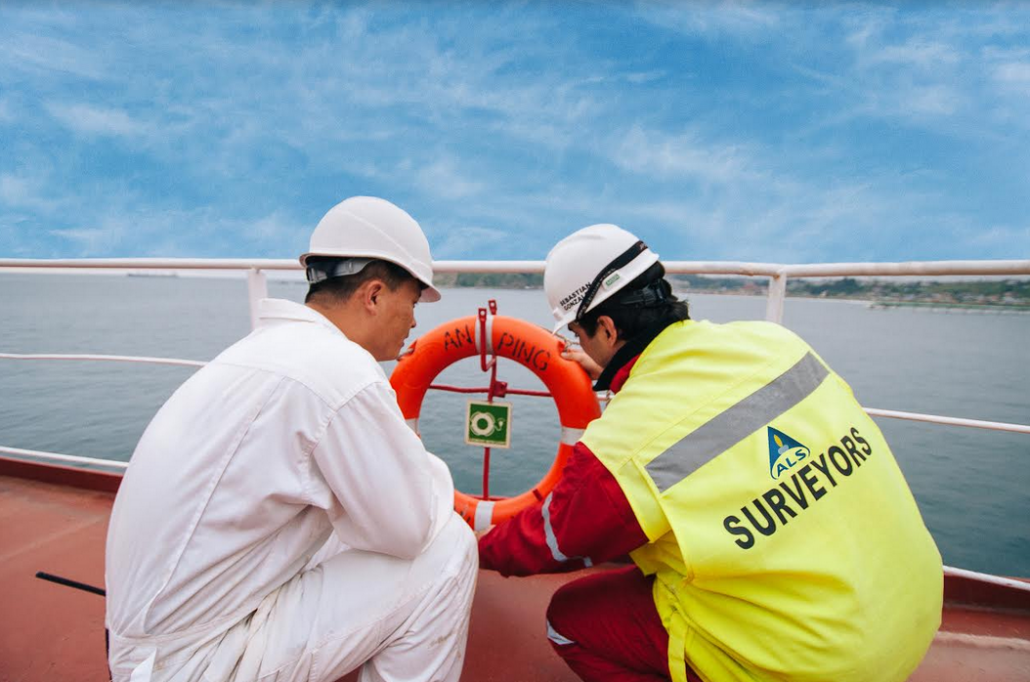
In the maritime sector, where every operation must be precise and safe, the role of the maritime inspector it's essential. Whether on recreational or commercial vessels, this professional acts as the eyes and technical support for those who depend on the sea to transport goods, passengers, or enjoy sailing.

But what exactly does their job entail? In this article, we take a closer look at the key functions of a maritime inspector, especially with regard to quality control and quantity on board.

⚓ What is a marine inspector?

The maritime inspector is a specialist with technical training and practical experience in the nautical field. His main function is check the status of the vessels and ensure compliance with regulations, safety standards and operating conditions.

He acts as an impartial liaison between shipping companies, shipowners, fuel or cargo suppliers, insurers, and authorities. His presence helps prevent costly errors, delays, and legal disputes.

🔍 Key functions of the maritime inspector

🧪 1. Quality control on board

This type of inspection assesses the overall condition of the vessel or cargo being transported, ensuring that everything meets technical and regulatory requirements.

Main functions:

  • Inspect the hull, structures, propulsion systems, and safety equipment.
  • Verify navigation certificates, policies, and technical documentation.
  • Evaluate storage conditions for sensitive cargo (temperature, ventilation, contamination).
  • Supervise maintenance or repair operations on board.
  • Ensure compliance with international regulations (SOLAS, MARPOL, ISM, among others).

This control is especially relevant before the purchase and sale of a vessel, during technical audits, or during periodic inspections.

⚖️ 2. Quantity control

Here the goal is ensure that the amounts loaded, unloaded or transferred match what was agreed in commercial contracts. This type of inspection is vital in bunkering, bulk cargo, hydrocarbon, or liquid product operations.

Main functions:

  • Tank measurements (ullage, temperature, density) before and after loading.
  • Supervision of loading and unloading operations.
  • Calculation of potential losses (shrinkage), surpluses, or discrepancies.
  • Certification of the actual quantity delivered or received.

This control helps to avoid conflicts between buyer and supplierand offers a technical guarantee that protects all parties.

Servicios de control al transporte marítimo

Inspección de barcos

🚢 Types of vessels where a maritime inspector acts

The work of an inspector can be adapted to different types of vessels:

Vessel Type – Common Inspections

Type of vessel

Common inspections

Cargo ships

Bunkering, quantity control, structural inspection

Leisure boats

General condition, documentation, onboard safety

Oil tankers/chemical tankers

Hydrocarbon control, environmental regulations

Ferries and cruise ships

Passenger safety, emergency plans

🎯 Why is this figure so important?

  • Avoids financial losses and business misunderstandings
  • Improves operational security
  • Ensures legal compliance
  • Protects the interests of all parties

A good maritime inspector is rigorous, independent, precise and transparent. Your technical reports are key documents in audits, litigation, certifications, or claims.

The maritime inspector is much more than a technician: he is a guarantor of quality, quantity and safety In an environment as complex as the maritime one. Whether on recreational vessels or cargo ships, their work provides confidence, reduces risks, and facilitates efficient operations.

If you work in the sector and are looking to ensure that everything on board works as it should, relying on a professional inspection service makes a difference.

🔎 Do you need a maritime inspector in Gran Canaria or Tenerife?

Our company offers specialized quality and quantity inspection services tailored to each type of vessel and operation.

📩 Write to us for more information or to collaborate with us.

inspector marítimo