Champions of Maritime Transport: the initiative to boost decarbonization
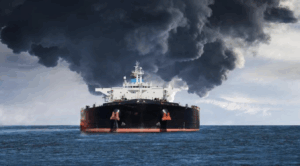
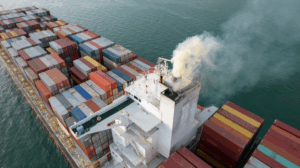
Maritime transport accounts for approximately 80% of the global movement of goods. This, consequently, implies a major source of greenhouse gas (GHG) emissions and other pollutants that need to be curbed.
According to the Inter-American Association for Environmental Defense (AIDA), 10 billion tons of cargo are moved by sea each year, and this causes 2.9% of global GHG emissions.
Now, according to the United Nations (UN), in the year 2023 Greenhouse gas emissions from maritime transport increased by 20% compared to a period 10 years ago, this figure could become 17% of global emissions by 2050 if decarbonization measures are not adopted for the sector.
For all the above reasons, in December 2023, the Mexican Chamber of the Maritime Transport Industry (CAMEINTRAM), the Institute of the Americas and WWF Mexico launched the Champions of Maritime Transport initiative (Mexico’s Champions for Sustainable Shipping), with the aim of encouraging all those involved to be advocates for truly sustainable practices in the maritime and port transport sector, promoting decarbonization and improving the well-being of communities/ecosystems.
In the long term, the aim is to invest ininfrastructure, production, distribution, storage and supply of zero-emission fuels towards 2050, aligning everything with the Paris Agreement and including net-zero operations throughout the value chains.
But what does it mean to be part of this initiative? What requirements must non-governmental actors meet to participate?
- Make an ambitious but achievable commitment that measurably reduces the ecological, environmental and/or carbon footprint of the company's/organization's operations
- Elaborate emissions inventories, diagnostics and an action plan, including solutions that can range from operational improvements, waste reduction and management and investments in energy efficiency, to fuel changes or the use of additives, switching to electric operations or specialized paints to prevent bio-fouling.
- Implement and monitor the action plan, in addition to making the required adjustments, changes, and investments
- Publish annually measurable progress in a transparent manner
It was in 2023 when the 175 member countries pledged to reduce between 20 and 30 percent. compared to 2008 - greenhouse gas emissions generated by industry by 2030 and by at least 70% by 2040.
Read the complete news here: https://thelogisticsworld.com/transporte/campeones-transporte-maritimo-iniciativa-impulsar-descarbonizacion-industria/


