What does a Maritime Inspector do?
Personal
Key features in quality and quantity on board
In the maritime sector, where every operation must be precise and safe, the role of the maritime inspector it's essential. Whether on recreational or commercial vessels, this professional acts as the eyes and technical support for those who depend on the sea to transport goods, passengers, or enjoy sailing.
But what exactly does their job entail? In this article, we take a closer look at the key functions of a maritime inspector, especially with regard to quality control and quantity on board.
⚓ What is a marine inspector?
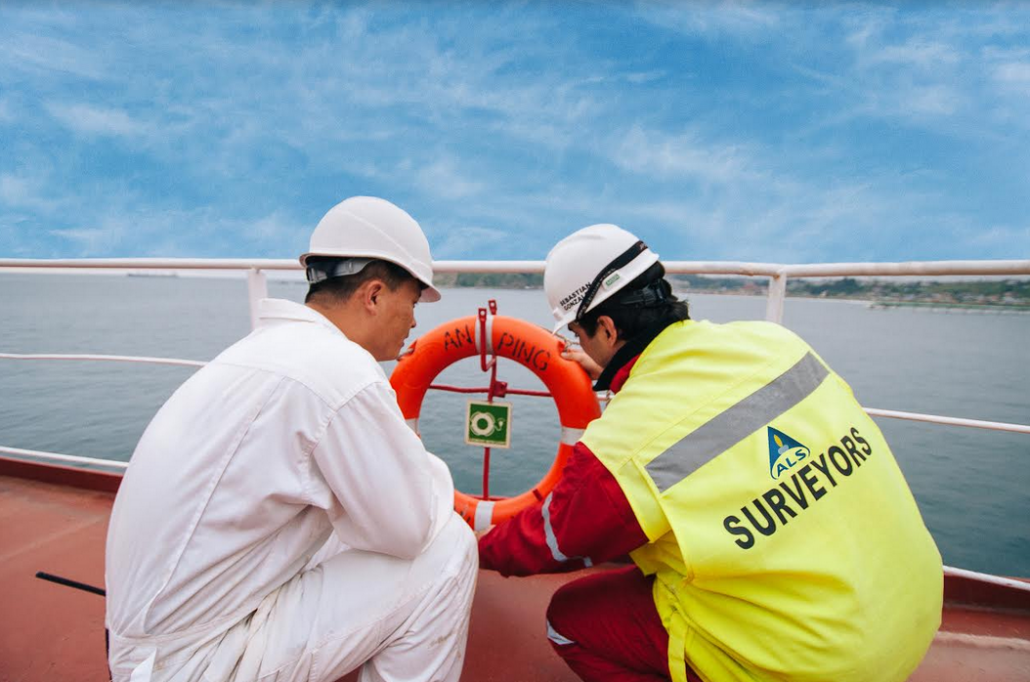
The maritime inspector is a specialist with technical training and practical experience in the nautical field. His main function is check the status of the vessels and ensure compliance with regulations, safety standards and operating conditions.
He acts as an impartial liaison between shipping companies, shipowners, fuel or cargo suppliers, insurers, and authorities. His presence helps prevent costly errors, delays, and legal disputes.
🔍 Key functions of the maritime inspector
🧪 1. Quality control on board
This type of inspection assesses the overall condition of the vessel or cargo being transported, ensuring that everything meets technical and regulatory requirements.
Main functions:
- Inspect the hull, structures, propulsion systems, and safety equipment.
- Verify navigation certificates, policies, and technical documentation.
- Evaluate storage conditions for sensitive cargo (temperature, ventilation, contamination).
- Supervise maintenance or repair operations on board.
- Ensure compliance with international regulations (SOLAS, MARPOL, ISM, among others).
This control is especially relevant before the purchase and sale of a vessel, during technical audits, or during periodic inspections.
⚖️ 2. Quantity control
Here the goal is ensure that the amounts loaded, unloaded or transferred match what was agreed in commercial contracts. This type of inspection is vital in bunkering, bulk cargo, hydrocarbon, or liquid product operations.
Main functions:
- Tank measurements (ullage, temperature, density) before and after loading.
- Supervision of loading and unloading operations.
- Calculation of potential losses (shrinkage), surpluses, or discrepancies.
- Certification of the actual quantity delivered or received.
This control helps to avoid conflicts between buyer and supplierand offers a technical guarantee that protects all parties.


🚢 Types of vessels where a maritime inspector acts
The work of an inspector can be adapted to different types of vessels:
Vessel Type – Common Inspections
Type of vessel | Common inspections |
Cargo ships | Bunkering, quantity control, structural inspection |
Leisure boats | General condition, documentation, onboard safety |
Oil tankers/chemical tankers | Hydrocarbon control, environmental regulations |
Ferries and cruise ships | Passenger safety, emergency plans |
🎯 Why is this figure so important?
- Avoids financial losses and business misunderstandings
- Improves operational security
- Ensures legal compliance
- Protects the interests of all parties
A good maritime inspector is rigorous, independent, precise and transparent. Your technical reports are key documents in audits, litigation, certifications, or claims.
The maritime inspector is much more than a technician: he is a guarantor of quality, quantity and safety In an environment as complex as the maritime one. Whether on recreational vessels or cargo ships, their work provides confidence, reduces risks, and facilitates efficient operations.
If you work in the sector and are looking to ensure that everything on board works as it should, relying on a professional inspection service makes a difference.
🔎 Do you need a maritime inspector in Gran Canaria or Tenerife?
Our company offers specialized quality and quantity inspection services tailored to each type of vessel and operation.
📩 Write to us for more information or to collaborate with us.